

Before Your Big Adventure
Joining your first Dungeons & Dragons campaign is equal parts exciting and slightly intimidating. If you're feeling extra worried, don't worry! You don't need to know everything ahead of time, but a few basics will make the first session smoother for you and the group. Think of this as a quick readiness check: practical, polite, and pleasantly nerdy. With a little preparation and the right expectations, you’ll be rolling with confidence in no time. So, without further ado, here are 5 things to remember before you get started.
1. Learn the Table’s Expectations Early
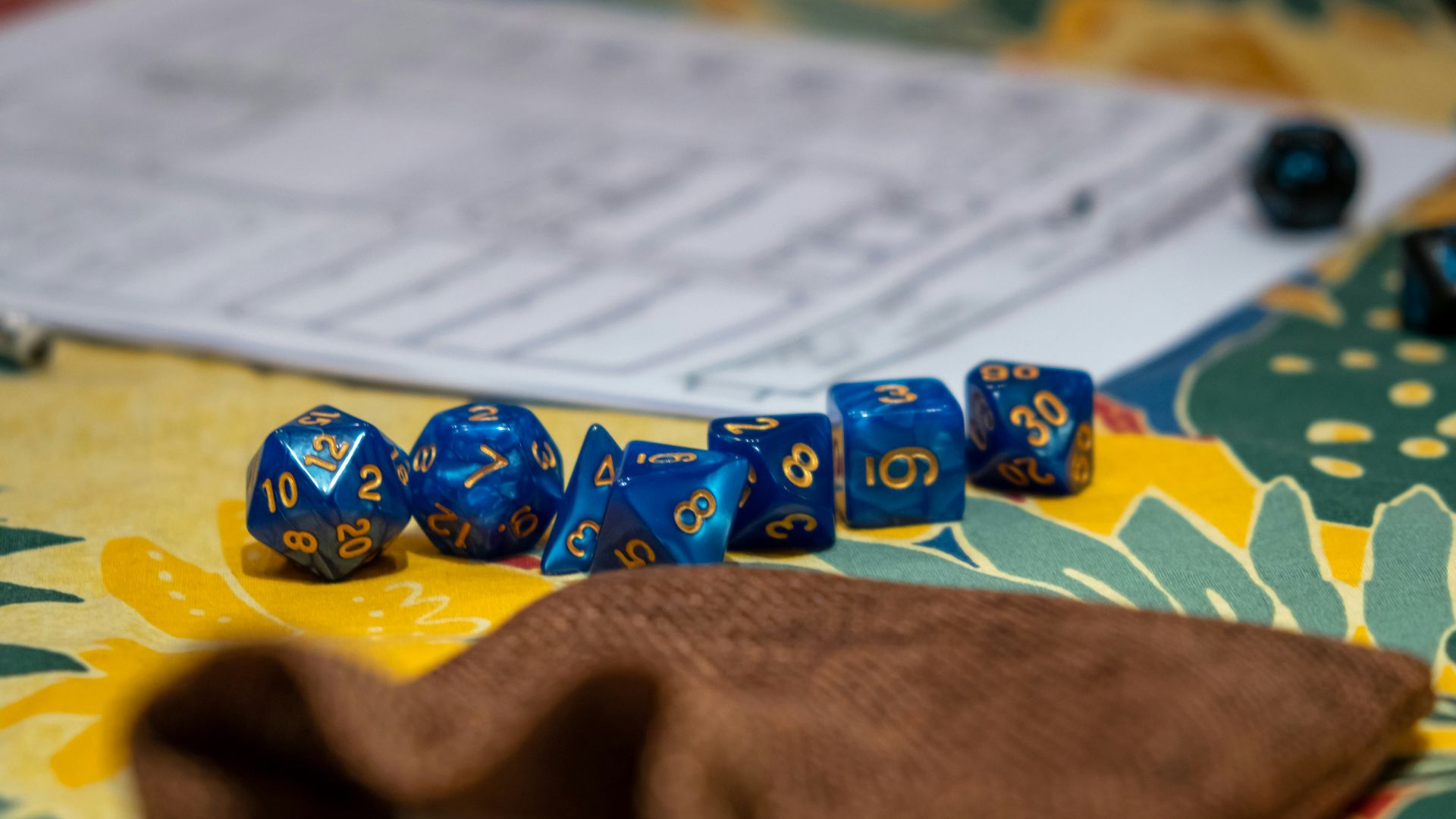
Before the campaign begins, ask what style of game the group is playing: serious, comedic, roleplay-heavy, combat-heavy, or a mix. Knowing this expectation upfront can help prevent awkward surprises and keeps everyone aligned. It's not just game style though, you should also confirm the schedule, typical session length, and whether you’re expected to attend consistently. It also helps to ask about table rules, like phone use, snacks, and how rules questions are handled mid-game.

2. Build a Character That Fits the Party and Setting
Creating your first character is going to be a lot of fun, and while you want to personalize them the best that you can, you'll also want to make sure they're aligned with the campaign's world and tone. To do this, you can check any setting limitations with the Dungeon Master. Don't forget to share your character’s goals and a simple backstory hook that gives the DM something usable without taking over the narrative. If you’re unsure, ask the DM for suggestions—they usually enjoy helping new players land a good fit.
3. Understand the Basics of Your Character Sheet
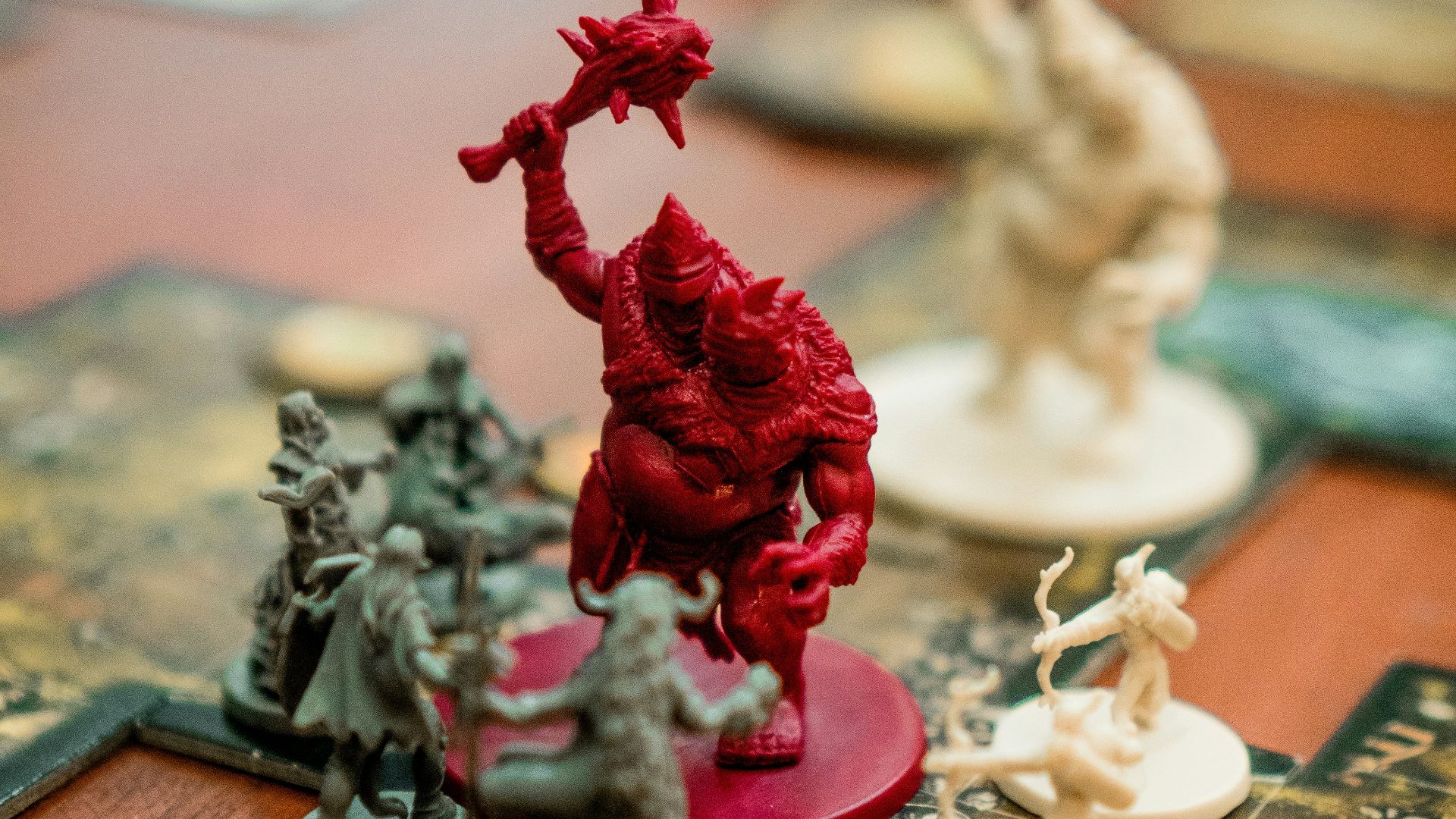
You don’t need to memorize the rulebooks, but you should know what your main numbers do: Armor Class, hit points, key abilities, and your common actions. It's also a good idea to read your class features and spells (if any) at least once so you recognize what you can do on your turn. Making this small effort speeds up play and reduces stress when the dice start making decisions for you. Don't worry if it takes some practice to get used to things though!

4. Practice Good Table Etiquette
Yes, D&D can get pretty rowdy, but it's important that you still let others have their moments, and avoid interrupting when someone is roleplaying or making a decision. And when it’s your turn, be ready to act, even if that action is simply “I move here and try this.” Finally, if things ever get heated, it's always good to address it and bring it up respectfully after the session or during a planned check-in.
5. Communicate Comfort Levels and Boundaries
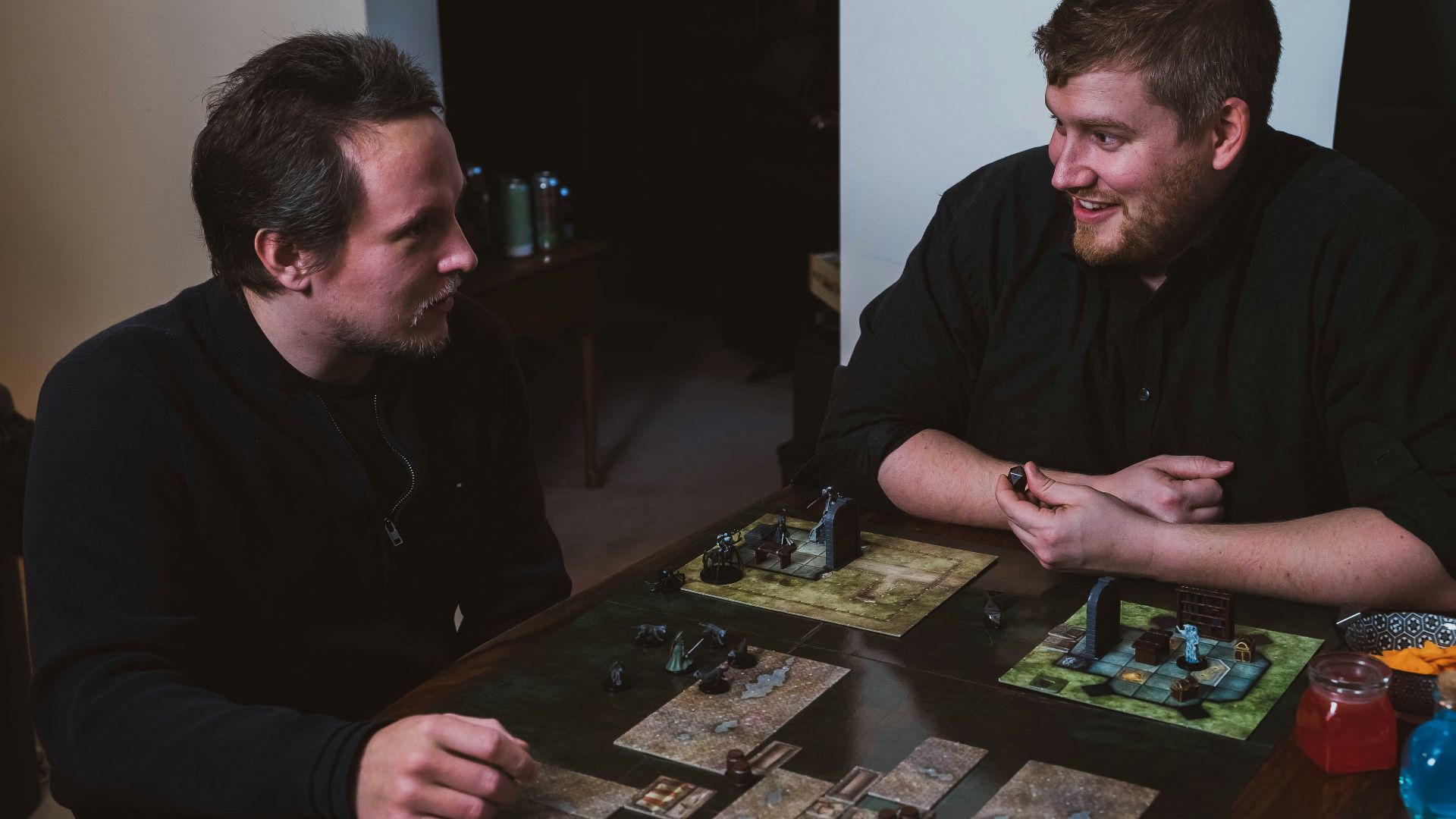
To have the best experience, everyone in the party needs to agree on certain things. Many groups set boundaries around themes like violence, romance, horror, or sensitive topics, and it’s reasonable to ask how your table handles that. Speak up early if a topic is off-limits for you; you have every right to have your voice heard! Clear communication helps everyone relax and focus on having a good time, you included.