
Keeping Your Voice Clearly Yours
AI tools can be useful, but they've become so advanced and are used so carelessly that they also raise fair concerns for writers who want their work to remain original, recognizable, and properly credited. Protecting your writing doesn't require panic or secrecy, just a few sensible habits. Here are 5 simple ways to protect your work against AI.

1. Save Drafts and Version History
There's no better evidence than to keep dated copies of your outlines, drafts, edits, and final versions. These records help show how your work developed over time and can support your claim of authorship. Even automated systems like cloud documents, email backups, and writing apps with version history are all perfectly respectable helpers.
2. Add Clear Copyright Notices
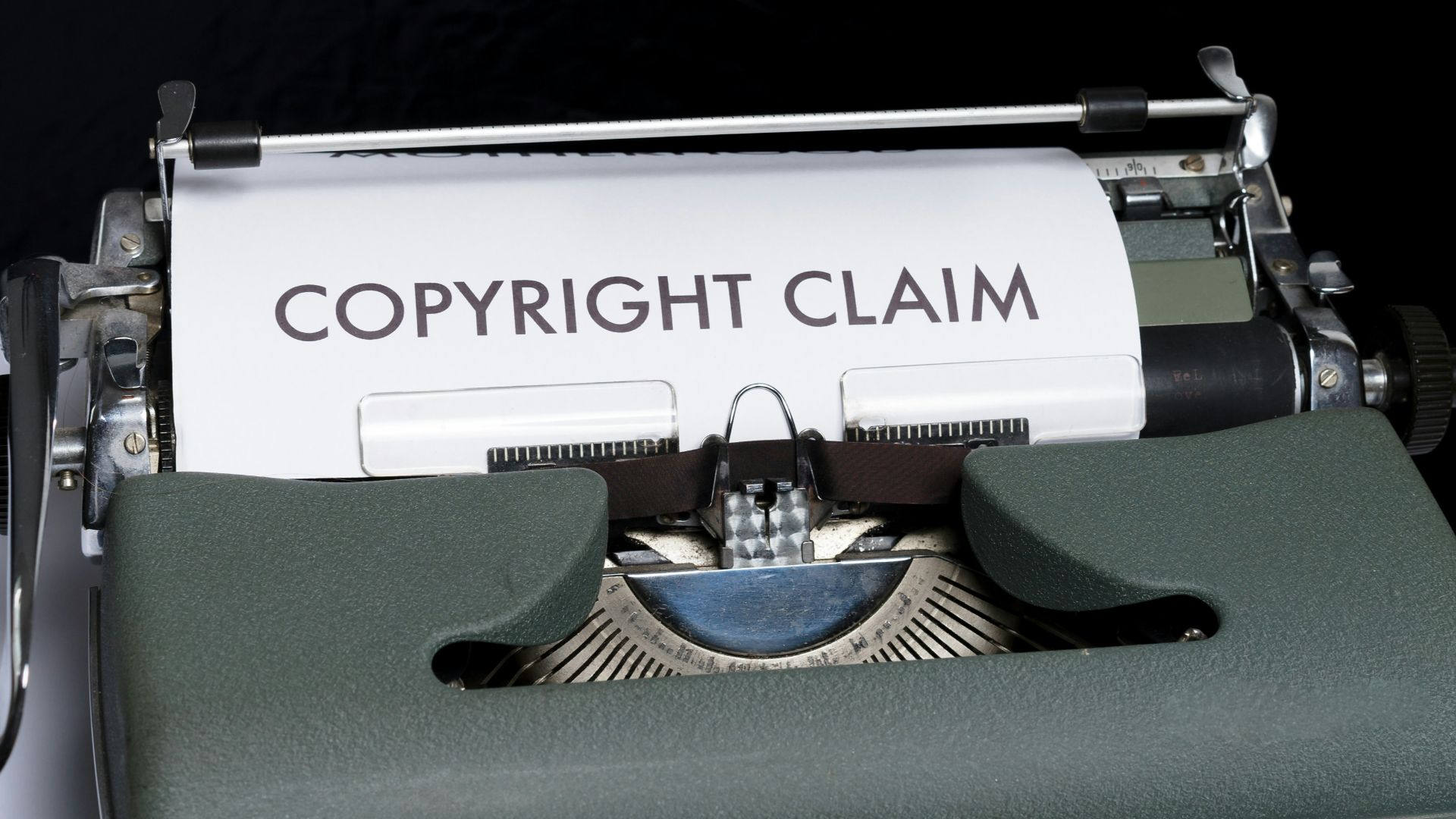
If you want it to be really obvious, place a copyright notice on finished pieces, especially when publishing them online. A simple line with your name, the year, and “All rights reserved” makes your ownership clear.
3. Publish Strategically
Once the writing process is done, think carefully about where and how you share your writing. Always read through a platforms' clear terms, and review their privacy settings and tools for reporting misuse.
4. Use Watermarks or Metadata
For PDFs, manuscripts, and downloadable files, consider adding your name, website, or contact details in the document metadata. You can also include a discreet watermark or footer on shared drafts to ensure people know it belongs to you.
 Glenn Carstens-Peters on Unsplash
5. Monitor for Unauthorized Use
Alerts, plagiarism checkers, and simple search engine queries can help you spot copies or close imitations after your work has been live for a while. If you end up finding misuse, keep calm, document it, and use the platform’s reporting process or a formal takedown request when appropriate.