Games Can Train Your Eye
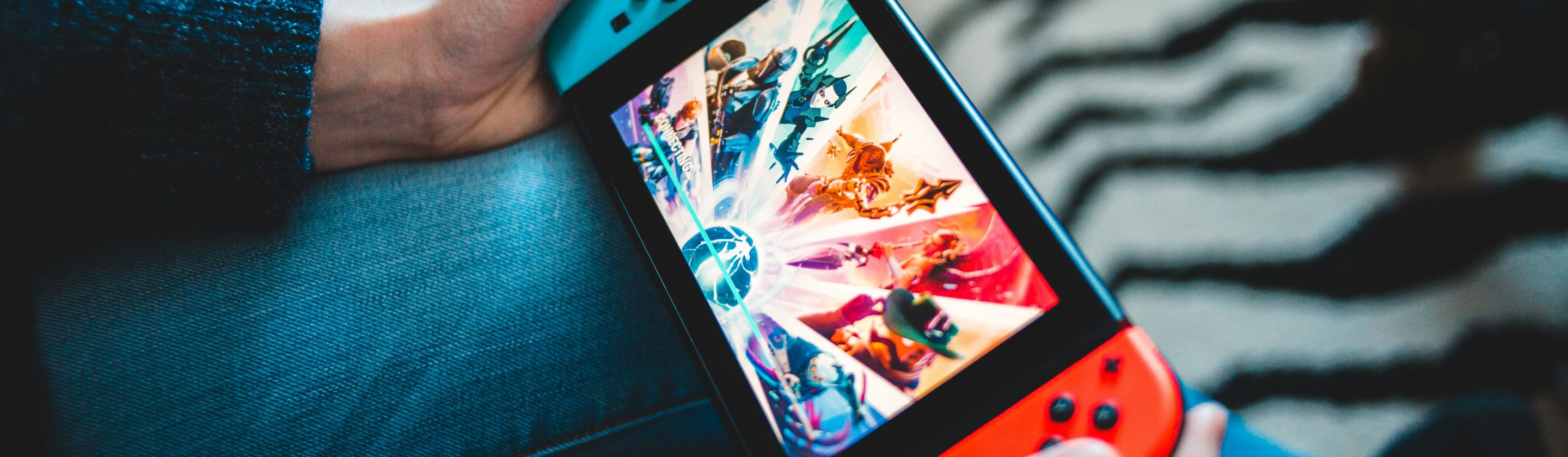
Video games do a lot more for your brain and creativity than people give them credit for! In fact, playing them can sharpen your creative instincts in surprisingly useful ways. When you’re exploring a beautifully designed world, you’re absorbing the very artistic lessons that can teach you a thing or two by osmosis. Come with us as we explore how you can better your own skills just by pretending you’re a cowboy.
You Study Color
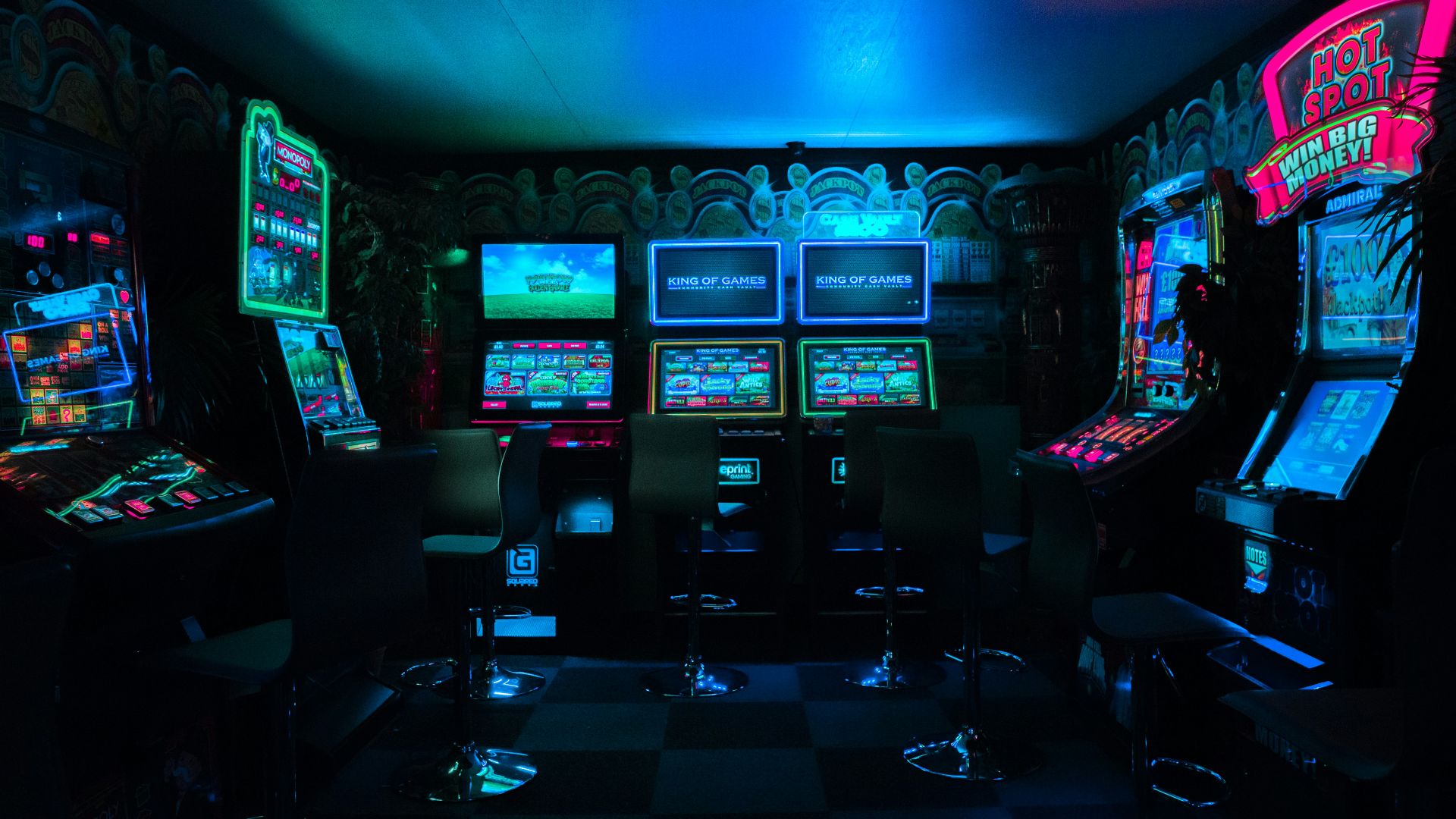
Many games use color with impressive confidence, and paying close attention helps your own artwork. A fantasy game might use warm golds to make a village feel welcoming, while a horror game may lean into sickly greens to create unease. As you play, you can notice which palettes drastically change a scene, and then apply that yourself.
Character Design Becomes Easier
Video games are packed with characters who need to be recognizable for years to come, which makes them perfect references for design. You can look at silhouettes, hairstyles, and accessories to see how each detail supports a personality. The more you learn about the little stuff, the easier it is to incorporate.
Backgrounds Teach You How Worlds Feel
Game environments tell stories without long explanations, so they’re great for studying visual storytelling. A messy bedroom or a crowded market can reveal history through all sorts of things: props, lighting, and texture (to name a few). When you bring that idea into your own work, your backgrounds can start feeling less like empty spaces and more like places people want to visit.
Movement Can Help Your Poses
Watching animated characters move around can improve the way you draw bodies in motion. You’re watching everything—how they move, how they sigh, and even how they handle tough moments. Games let you see poses from different angles and in repeated action, which is helpful if your figures feel frozen.
You’ll Build a Stronger Mood
The best games combine visuals, music, pacing, and atmosphere to create a clear tone. And that’s all the stuff you can learn from! Once mood becomes part of your process, your artwork can feel much more memorable.